Five Generations, One Family Legacy
Emily Buckley
editor in chief
Nearly 100 years after a young Smithfield entrepreneur began processing meat to make a living, Lower Family Foods is feeding more than a million people a day while remaining rooted in the family, work ethic, and Cache Valley community that built it.
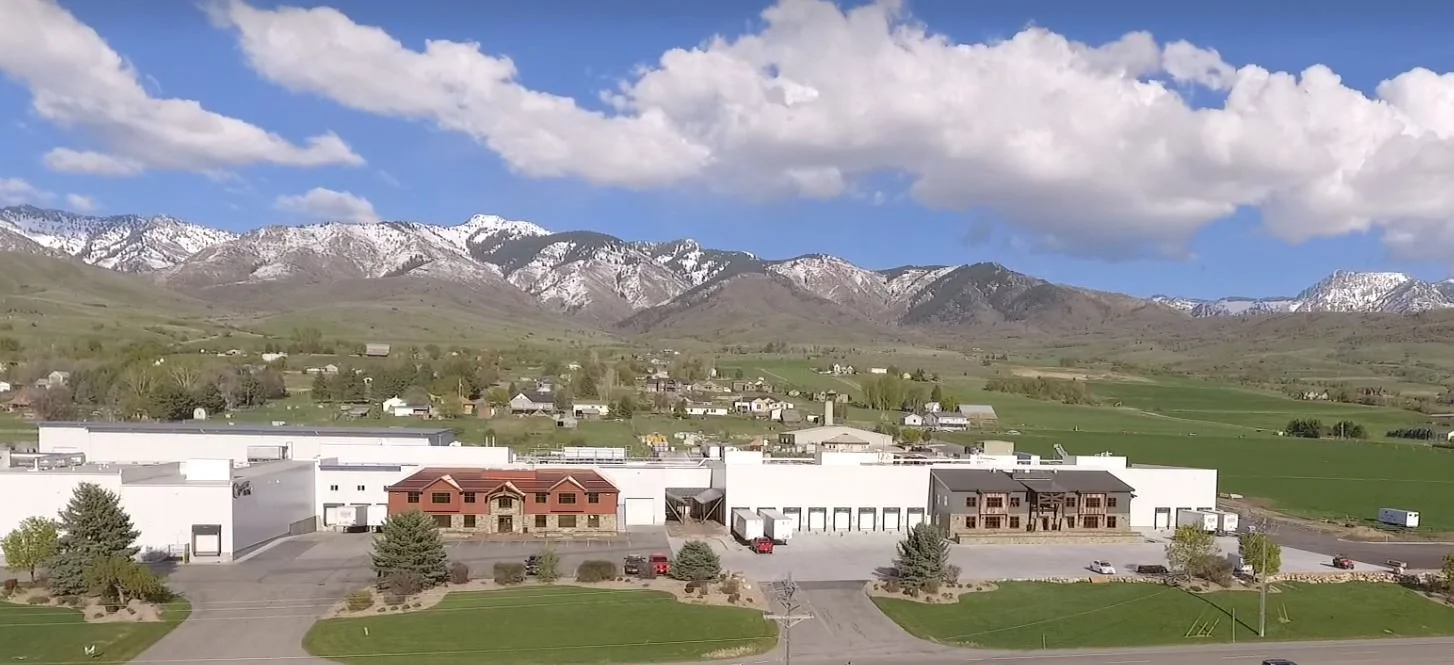
There are businesses you drive past for years without fully realizing what is happening inside. Lower Family Foods may be one of them.
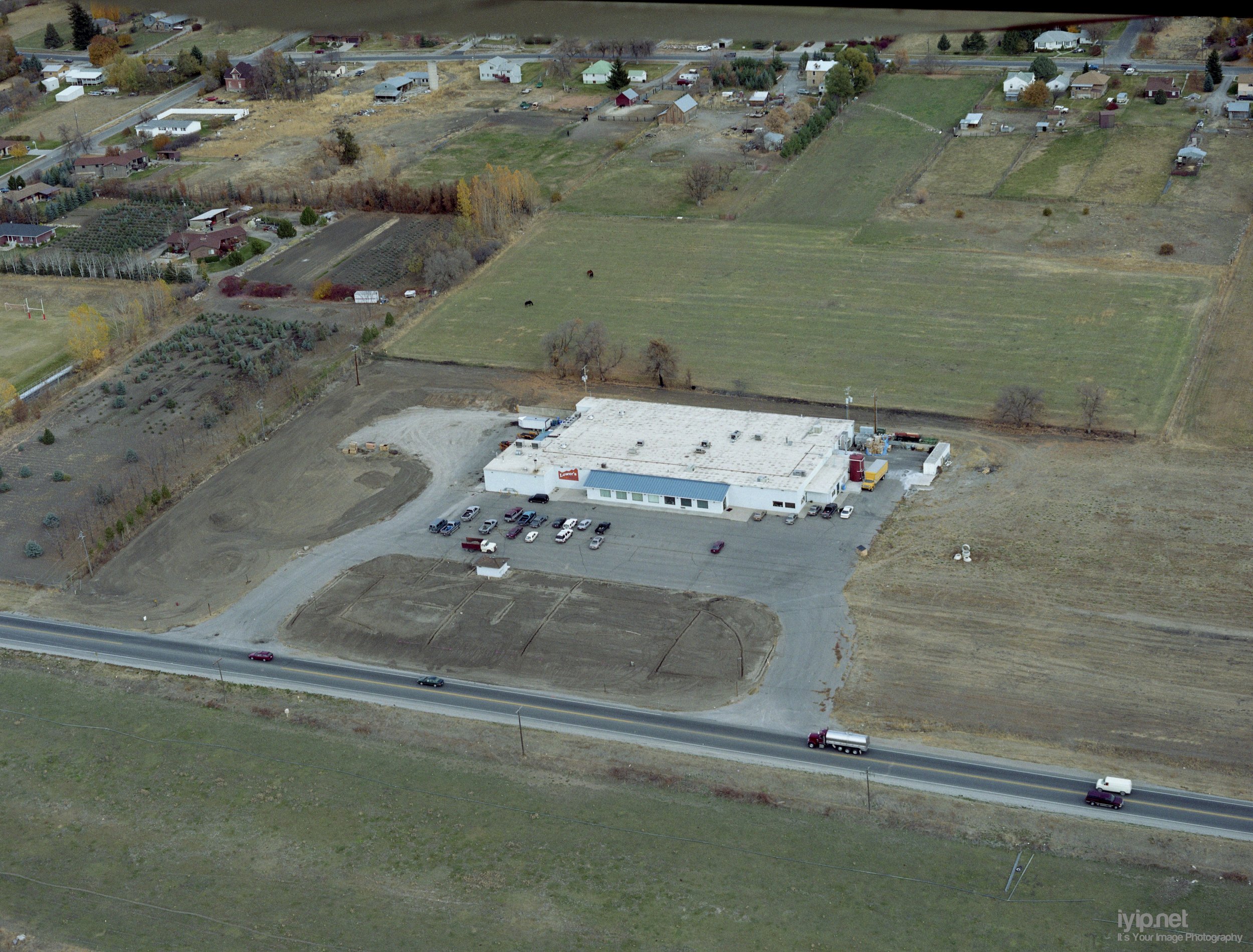
Tucked in north Cache Valley, in Richmond, the family-owned company employs approximately 425 people and sends its products throughout the United States, including Alaska and Hawaii. Its meats are served in restaurants across the country, and the company estimates that, based on serving sizes, more than one million people may eat something produced at Lower Foods each day.
Yet, if you ask the Lower family about what they have built, they are much more likely to talk about the people who built it alongside them.
“We’re kind of the quiet doers in the back,” Lee Lower, vice president of Lower Foods, said. “We just put our heads down and go to work.”
That understated approach has been passed down for nearly a century.
From the Beet Fields of Smithfield
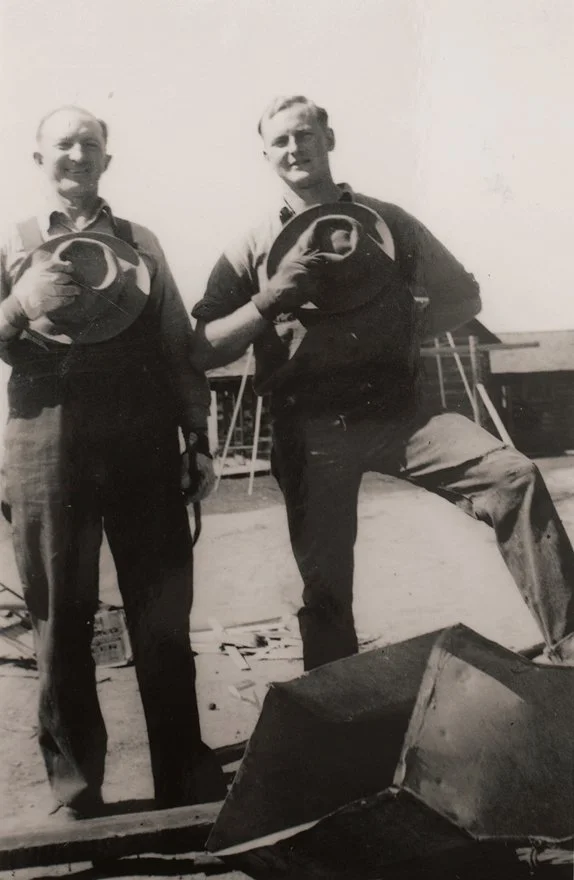
The Lower Foods story reaches back to Smithfield in 1927, when Russell Lower, a young man with deep Cache Valley roots, began what would eventually become the business it is today.
Russell lost both parents while he was young and learned early how to make his own way. While thinning sugar beets, backbreaking work familiar to many Cache Valley families of the era, he watched men nearby trading cattle and realized they could make more in a day than he was making after weeks in the beet fields.
He saw an opportunity. What he didn’t have was money to get started.
That’s where Smoot Westover, a farmer from Lewiston, became an important part of the story. Smoot allowed Russell to take animals, process them, sell them, and pay him back after Russell himself had been paid, essentially extending the young entrepreneur the credit he needed to begin.
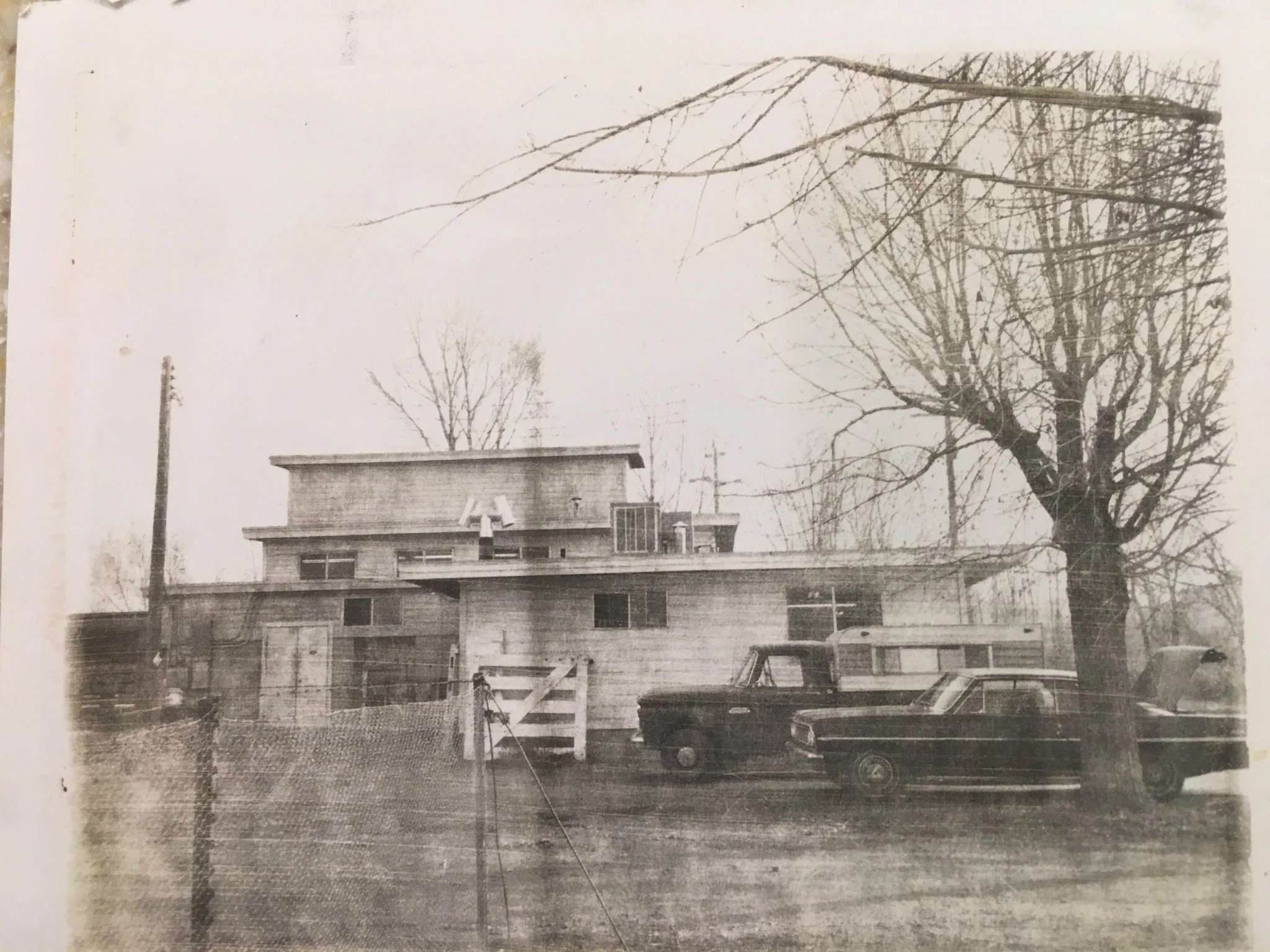
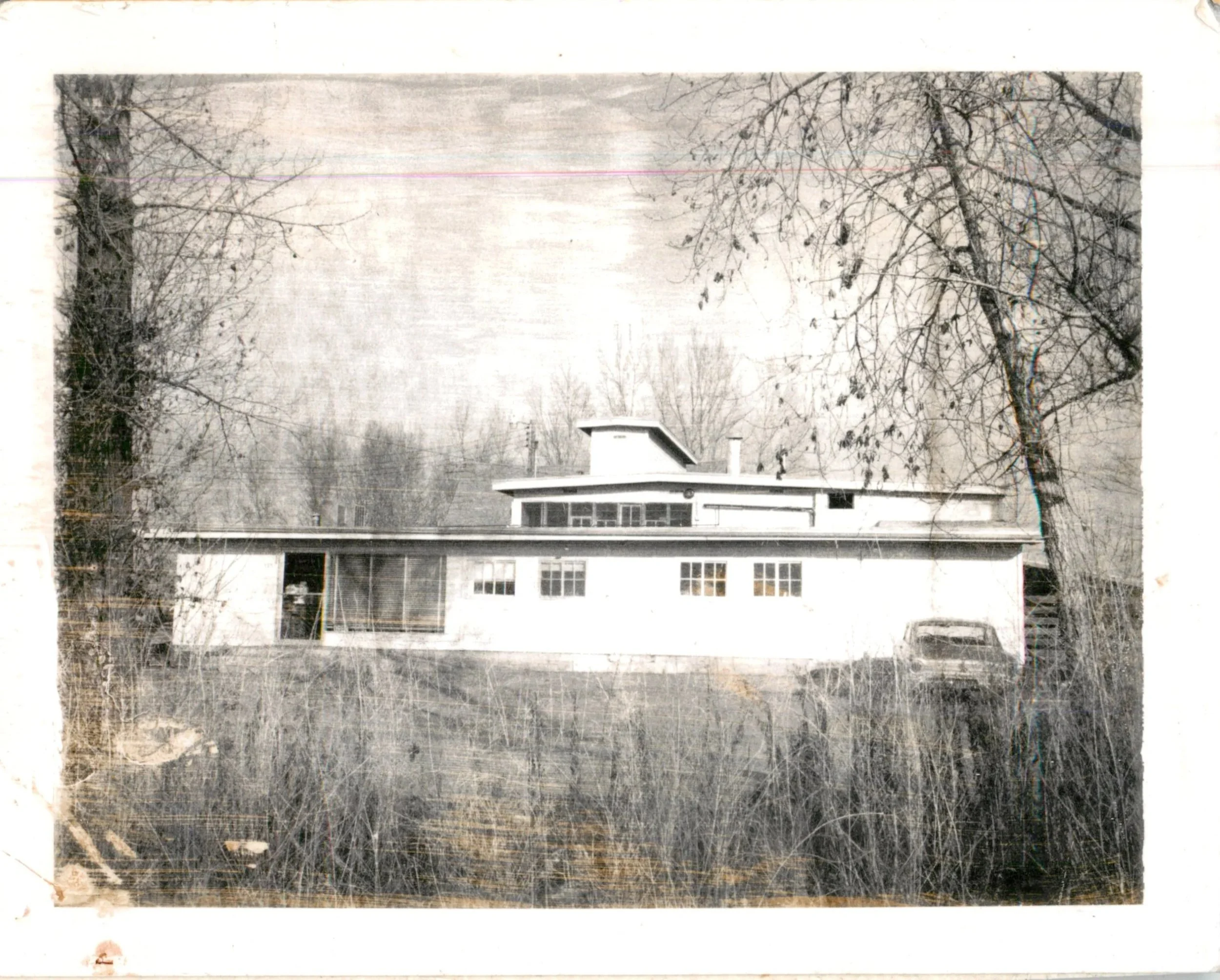
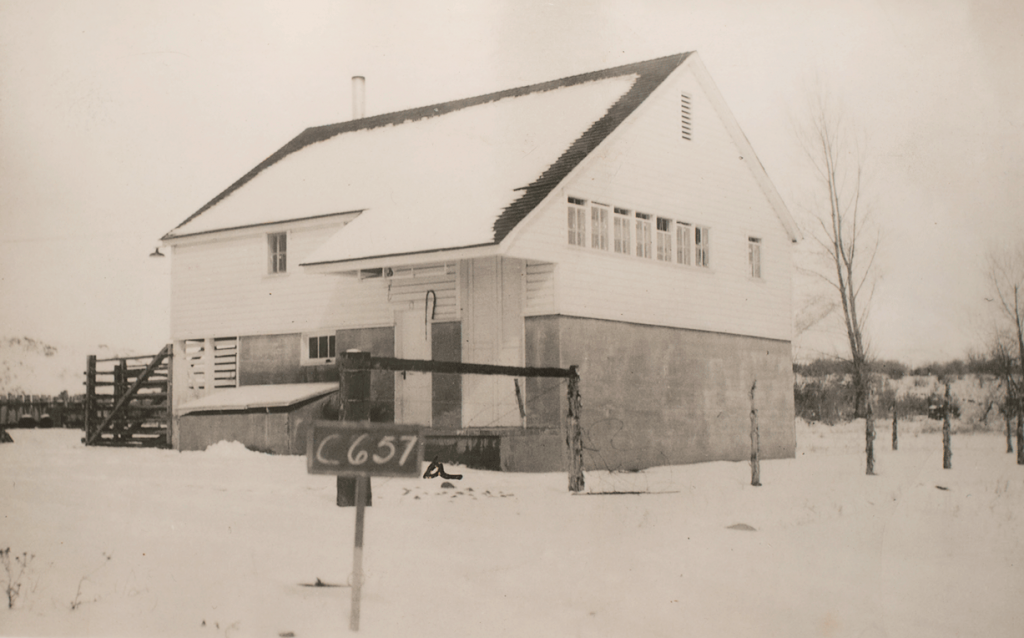
Eventually, the family built a small processing facility on the east side of Smithfield. The original one-room structure still exists today, although the plant was expanded around it many times over the years.
It was the beginning of a family business that the next four generations would continue to build.
Learning to see what’s next
Russell’s son Larry Lower grew up in a very different Cache Valley than the one his grandchildren and great-grandchildren know today.
In the 1940s, families commonly raised their own animals, and because home freezers weren’t yet commonplace, meat was often cut and stored at local “locker plants.” Lower Packing would pick up an animal, process it, and take the meat to a locker plant, where it could be cut, wrapped, and stored until the family needed it.
Larry saw an opportunity to do more. During World War II, he volunteered to work in a military kitchen so he could learn meat cutting. After returning home, he married Marilyn Tibbitts, and together they helped move the family business beyond simply processing animals into cutting, wrapping, and freezing meat.
As home freezers became more common and locker plants began to disappear, the business was ready to change with the times.
And for the next generation, responsibility came especially early. Larry suffered a serious heart attack when his son Alan was only 12 years old. Suddenly, Alan found himself taking on responsibilities most seventh graders couldn’t imagine.
Two years later, Larry came to him with a decision that would shape the family’s future: Someone was interested in buying the business, and he needed to know whether Alan intended to continue it.
At 14 years old, Alan committed to stay. He has been part of moving the family business forward ever since and today serves as president of Lower Foods.
An Idea Ahead of Its Time
The family continued experimenting and looking ahead. They began smoking hams and bacon and eventually invested in larger smokehouses.
By the early 1980s, changes in the dairy industry were threatening a major part of the Lowers’ business. A federal dairy termination program paid dairy farmers to leave the industry, and many of the small dairies that had long been Lower customers disappeared.
The family needed to find new ways to keep the business moving forward.
They were already experimenting with convenience foods, including a French dip meal kit with sliced roast beef, rolls, and au jus — long before today’s meal-kit trend.
There was just one problem: Their Smithfield facility was state inspected, meaning they couldn’t sell the product outside Utah. When they took their ideas to distributors, there was interest, but the inability to cross state lines limited how far the products could go.
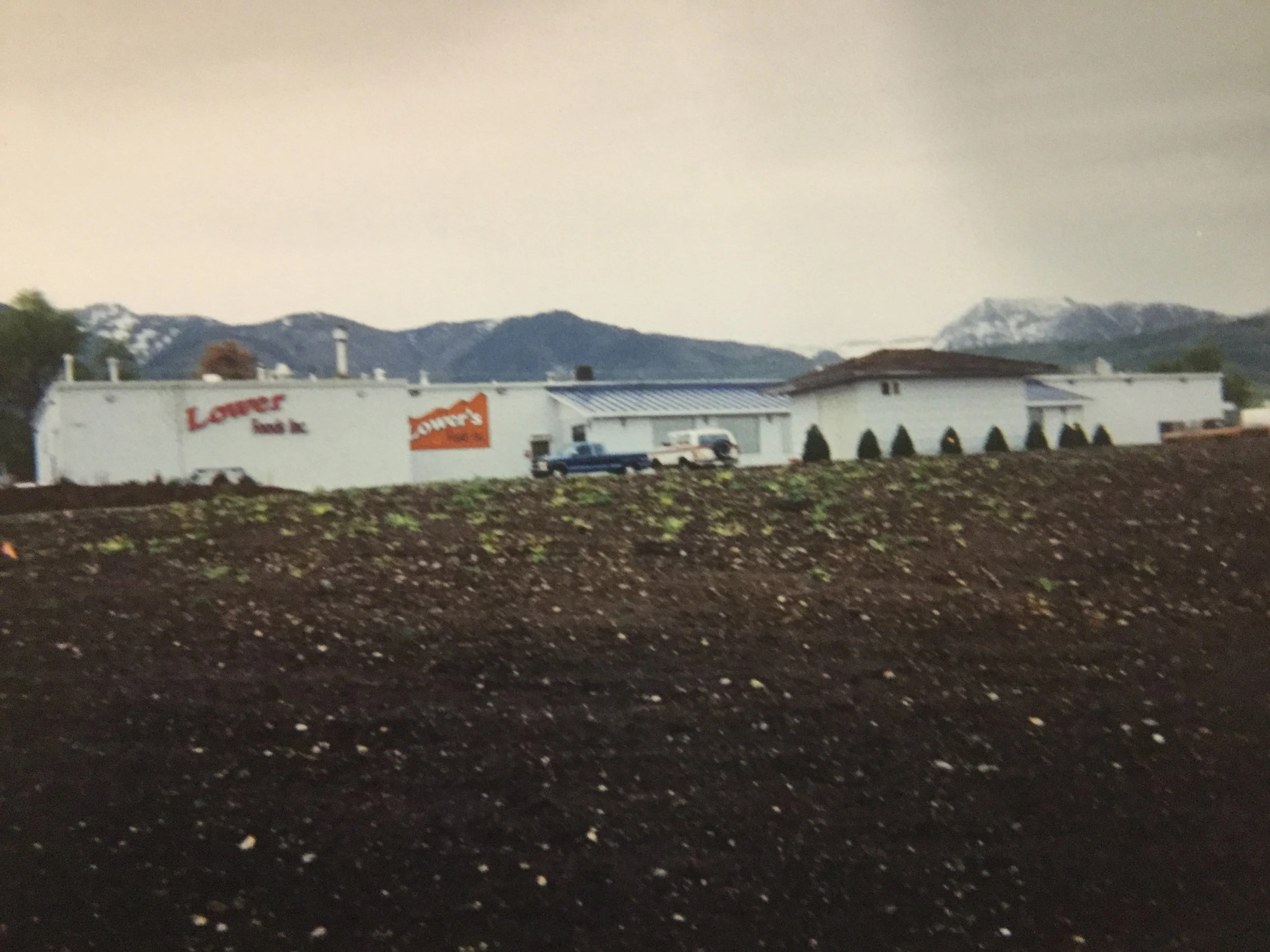
In 1987, the family purchased the building that became the foundation of its current operation and worked toward federal inspection. That opened the door for Lower Foods products to eventually move far beyond Cache Valley.
The original Smithfield business continued alongside the new operation until it was sold in 1994. It was a demanding period for the family, but it laid the groundwork for what Lower Foods would become.
Growing Up at the Plant
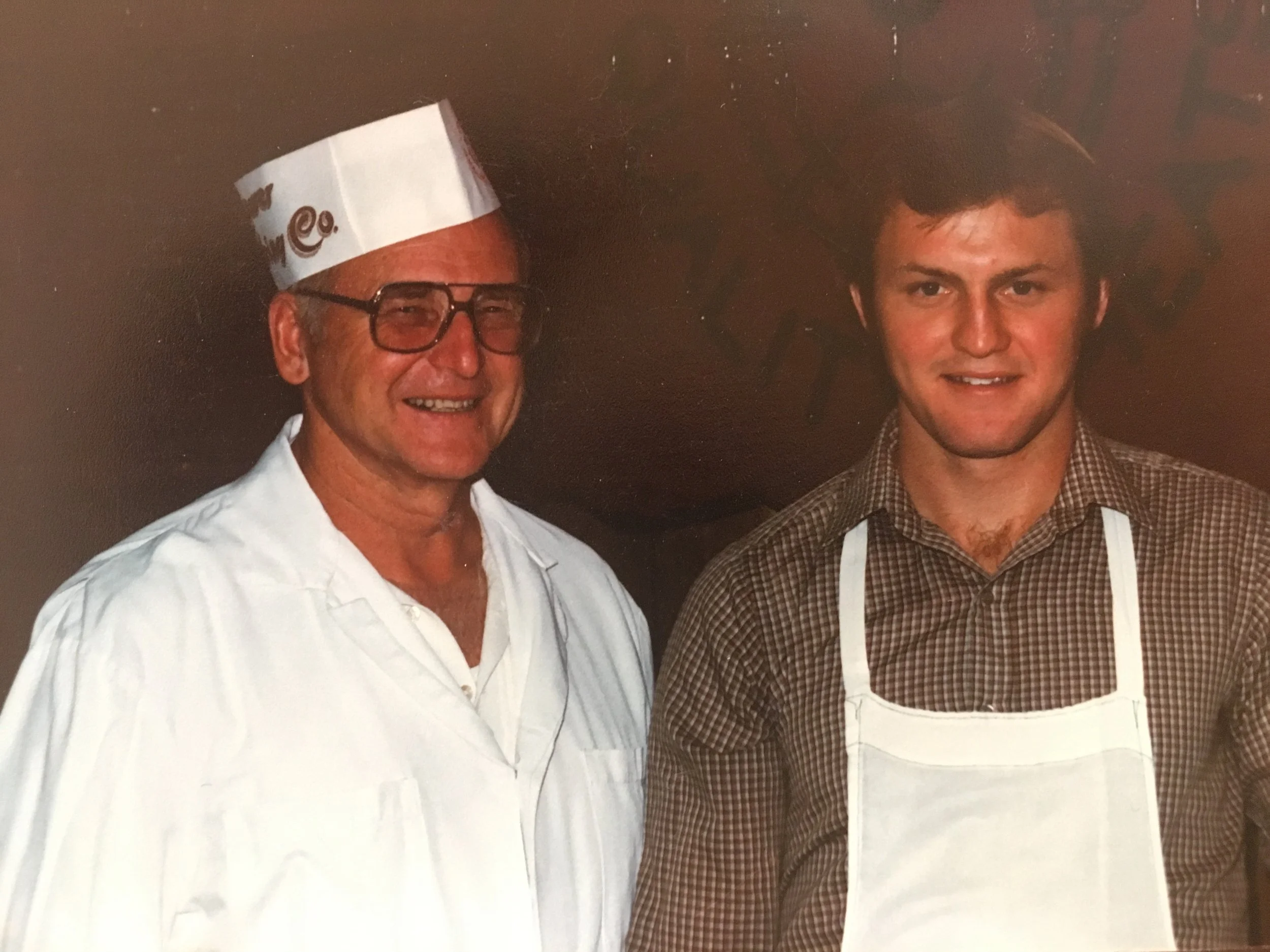
For Alan’s sons, Lee and Chad, going to work with Dad was simply part of growing up.
“I don’t know anything any different,” Lee said.
When the boys attended North Cache Middle School nearby, they could walk to the plant after school. By around 11 or 12 years old, the boys were helping with sanitation.
“We cleaned the plant every night,” Lee said. “We were depended on.” Summers meant production work during the day and sanitation afterward.
There were sacrifices. Sports and other activities often took a back seat to work. But there was something gained, too. They grew up alongside parents, grandparents, siblings, friends, and longtime employees.
Many of those childhood friends stayed. Some left on LDS missions and came back to work for the company. Others simply kept working and built careers there. Today, some Lower Foods employees have been with the company for 30 or 40 years.
“When we say it’s a family company, we have a lot of family members here outside of just ours,” Lee said.
Lee and Chad now represent the fourth generation of the business. Lee serves as vice president, with product development and formulations among his primary responsibilities, while Chad works in sales.
Both grew into their current roles after years of doing the jobs that keep the plant running.
“That’s what’s helped me succeed,” Lee said. “I’ve worked in every position.”
“We’re Raising Kids, Not Cows”
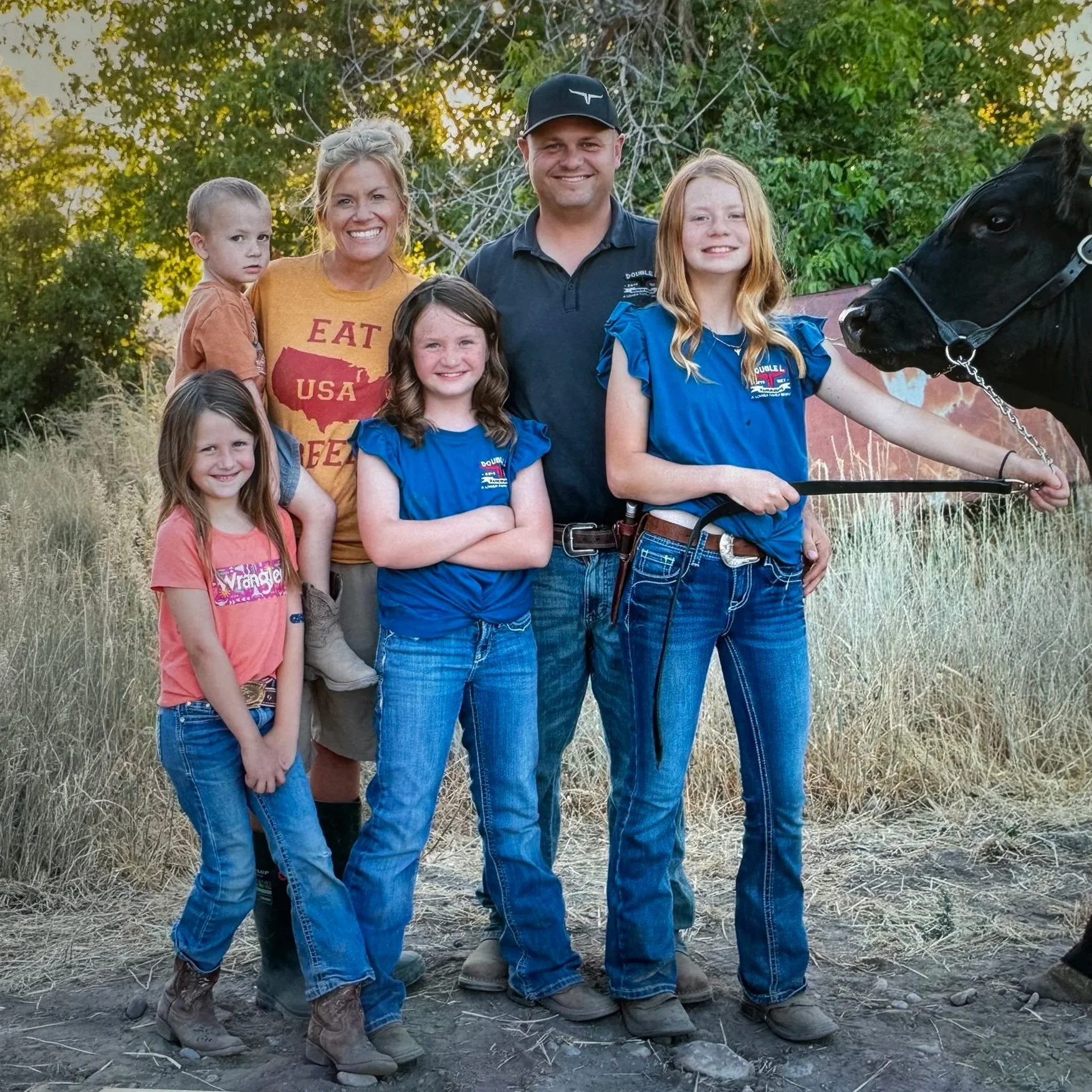
Now a fifth generation of Lowers is growing up much the same way.
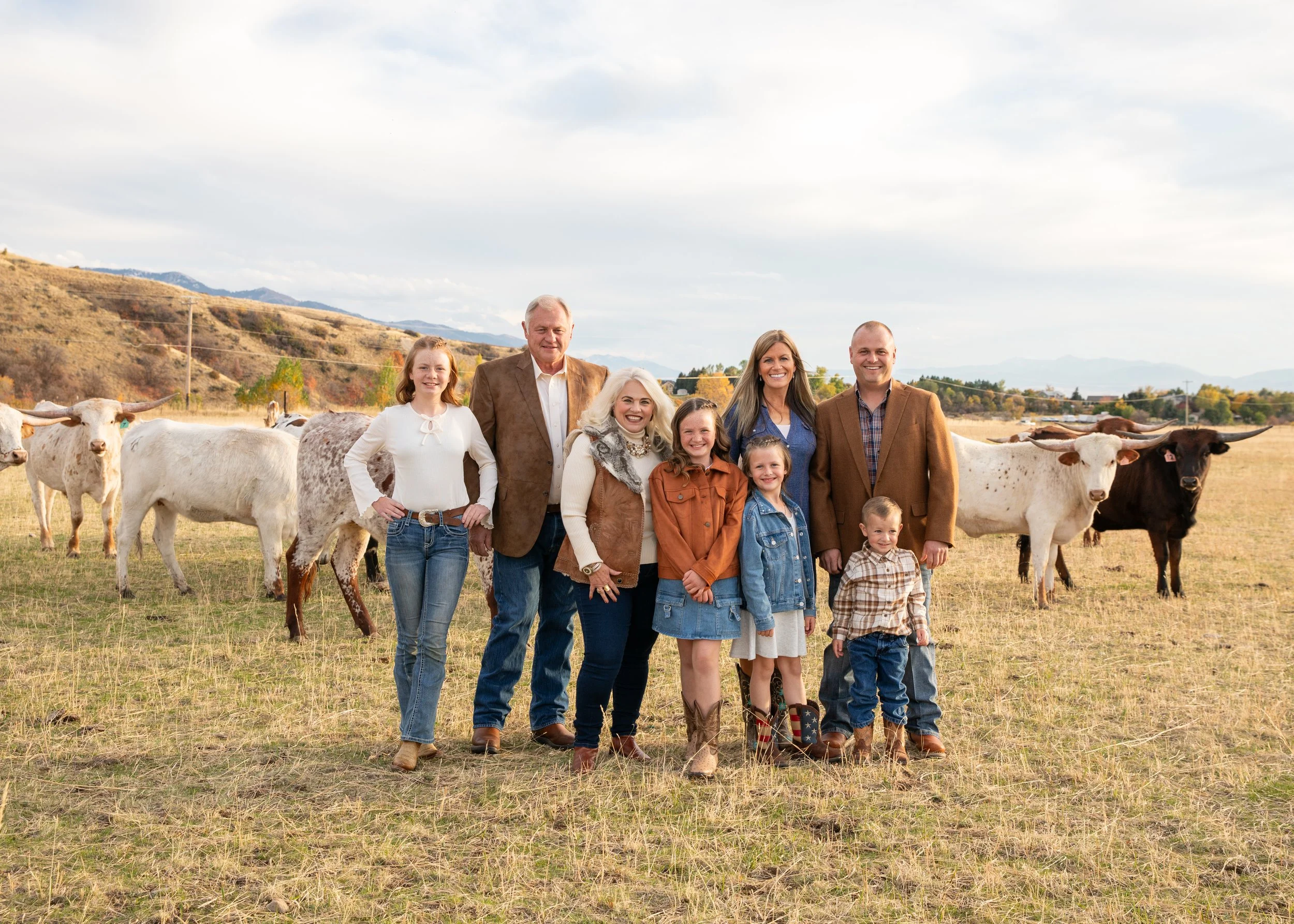
Lee and his wife, Courtney, have children who already work alongside employees at the plant. At home, the family raises beef cattle and participates in 4-H, not to supply Lower Foods, but in large part to give their children responsibility and opportunities to work together.
“We’re raising kids, not cows,” Lee joked.
Courtney, who married into the Lower family, has a unique perspective on that legacy.
“You hear these stories, and you hear the history, and it’s amazing — the work ethic and their ability to look into the future and figure out how to get there,” she said.
But what seems to impress her most is simpler: “These guys are some of the hardest-working, most humble men I’ve ever met.”
Now she and Lee are trying to pass those same values to their children.
The cattle give the kids jobs that can’t simply be ignored until tomorrow. They learn to care for animals, fix fences, work with siblings, and keep going when something is difficult. Courtney said working with the animals also requires the children to be a team. No matter how frustrated they may get with each other, the job still must get done.
And it’s clear their children are learning those lessons. The Lower children are up with the sun, voluntarily planning their days around the chores and work that need to be done.
Growing Beyond Cache Valley
Lower Foods today looks dramatically different from the small Smithfield operation of 1927.
Its products are distributed throughout the United States and include roast beef, corned beef, pastrami, pot roast, smoked brisket, barbecue products, and carne asada, among many others.
According to Alan, Lower Foods is also the country’s largest processor/cooker of Certified Angus Beef.
Lee develops many of the company’s product formulations and recipes and barbecue products. This includes smoked brisket, which has become one of its biggest sellers.
Despite the scale of the operation, there is something surprisingly familiar about the way the food is made.
“We are pretty rooted in our tradition,” Lee said.
Recipes rely on ingredients you would recognize from your own kitchen — salt, garlic, pepper, onion, and vinegar — while modern equipment allows the company to reproduce traditional cooking techniques on a scale Russell could hardly have imagined.
It’s also a business that has changed along with the way American families eat.
Generations ago, preparing Sunday dinner might have meant spending much of Saturday getting ready. Today, families often need to put dinner on the table between work, school, and activities. Lower Foods does much of that time-consuming preparation while trying to preserve the flavors and methods of home cooking.
In many ways, it brings the company full circle. Generations ago, the Lower family helped Cache Valley families prepare and preserve meat they raised themselves. Today, they help families and restaurants across America put meals on the table.
More Than One Family
For all the focus on five generations of the Lower family, family members are quick to redirect credit toward the approximately 425 employees who have helped build the company with them.
One of the clearest examples came during a serious fire at the plant.
The fire struck a critical area housing controls, computers, and servers. There was extensive damage, and at one point portions of the roof were open to the night sky.
Still, Alan and Lee were determined the plant would run the next morning.
Employees showed up. Local contractors came. A technology company from Richmond responded. People worked through the night repairing what they could while the emergency response was still unfolding.
And the next morning, the plant ran.
For the Lowers, the story isn’t really about saving a day of production. It’s about who showed up.
That loyalty goes both ways.
As Lower Foods has grown, the family has intentionally worked with local contractors, electricians, plumbers, tradespeople, and businesses. Some of those relationships stretch back decades.
The company has also invested in healthcare resources for employees and their families, including ownership of High Creek Pharmacy and involvement with Sterling Medical.
“You’ve got to take care of your people, or you’ll be here all by yourself,” Alan said.
That commitment extends to the community around them. Even as Lower Foods has grown into a company that sends products across the country, the family has chosen to keep its roots firmly in Cache Valley.
“We like living here,” Lee said.
Looking to the Next 100 Years
Lower Foods will celebrate its 100th anniversary in 2027.
Inside the facility, the family is preparing a timeline that will help visitors see where the company came from. Old photographs and signs preserve the story of the generations who built it, while new equipment and expanded cooking capacity point toward what comes next.
That includes a new on-site restaurant where employees, their families, and community members will be able to sit down and enjoy the food Lower Foods produces.
“People can try our food and then, if they like it, they can head over to the outlet to buy it to take home,” Courtney said.
Ask the family what the next hundred years will look like, and they don’t pretend to know.
That part of the story will belong to future generations.
But there are already hints that another generation is paying attention.
Lee and Courtney’s son Russell carries a name that has traveled through the family before him. He’s still a child, but Lee and Courtney smile when they say he already refers to Lower Foods as “my plant.”
It’s a small comment, but for a family approaching 100 years in business, it means something.
Nearly a century after the first Russell Lower stood in the sugar beet fields of Smithfield and realized there might be another way to make a living, and after a Lewiston farmer named Smoot Westover trusted him enough to help him get started, the buildings are larger, the equipment is more sophisticated, and the food travels farther than either man could have imagined.
But much of what built Lower Foods remains remarkably unchanged:
“Put your head down. Take care of your people. Make something you’re proud of.”